

The Home Watch Report
Cape Coral Edition
Welcome To Florida - 7 Things Nobody Tells You About Owning A Home In Paradise!
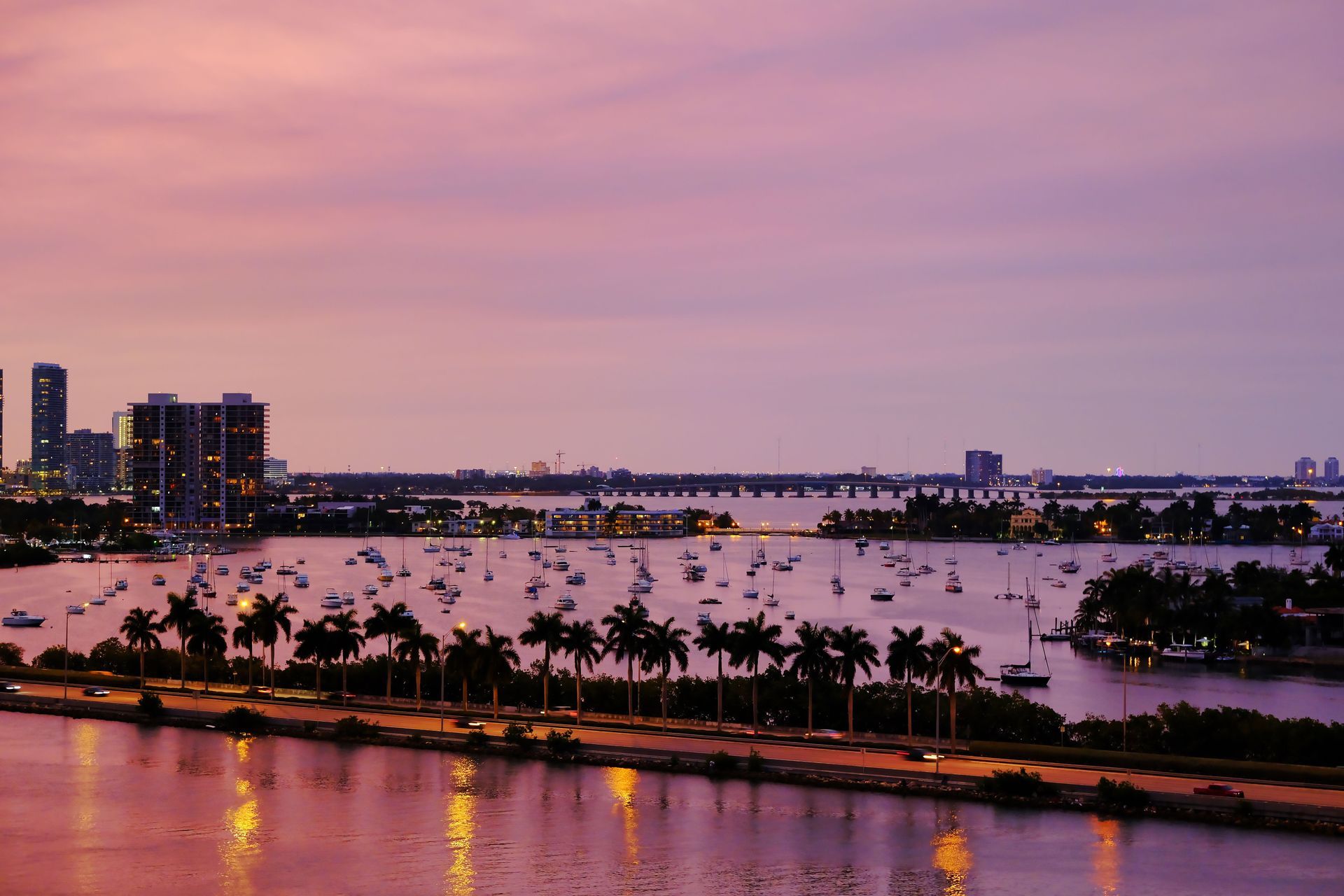
You finally did it. You bought that beautiful Florida home you've been dreaming about. Maybe it's a cozy place near the water, a gorgeous home with a screened-in lanai, or the perfect winter escape where flip-flops count as formal footwear.
Life is good.
Then summer arrives.
Suddenly, your outdoor furniture is growing a personality of its own, a tiny gecko has decided your lanai is prime real estate, and the afternoon thunderstorm you thought would last ten minutes has turned into a full-blown weather event.
Welcome to Florida! We have sunshine, beautiful beaches, breathtaking sunsets, and a few homeownership surprises that nobody mentioned during the closing.
Whether you're a year-round resident or a snowbird who heads north when the temperatures rise, here are seven things you should know about owning a home in Southwest Florida.
Grab your iced tea. Let's talk.
We all know Florida is humid. You probably packed extra frizz-control products before moving here. But here's the thing: humidity doesn't just affect your hair. It can affect your house, too.
Excess moisture can contribute to musty odors, mold growth, damaged finishes, and problems with wood and other building materials. A home that stays closed up for weeks or months can be especially vulnerable if indoor humidity isn't properly controlled.
Humidity Is Not Just a Bad Hair Day
We all know Florida is humid. You probably packed extra frizz-control products before moving here. But here's the thing: humidity doesn't just affect your hair. It can affect your house, too.
Excess moisture can contribute to musty odors, mold growth, damaged finishes, and problems with wood and other building materials. A home that stays closed up for weeks or months can be especially vulnerable if indoor humidity isn't properly controlled.
What should you watch for?
- Musty or unusual odors when entering the house.
- Condensation on windows or other cool surfaces.
- Water stains, peeling paint, or bubbling drywall.
- Air-conditioning systems that aren't cooling or dehumidifying properly. Signs of moisture around sinks, toilets, and appliances.
The Forbes tip: Keep your air-conditioning and humidity-control systems properly maintained, and investigate unusual moisture or odors rather than assuming they're just part of Florida living. If your home will be vacant, have a plan for keeping indoor conditions under control.
Because paradise should smell like fresh air, not like something mysterious is happening behind the guest bathroom wall.
Your Air Conditioner Is Basically the MVP of Your House
In some parts of the country, an air conditioner is a seasonal luxury. In Southwest Florida? It's practically a family member.
Your HVAC system works hard through long stretches of heat and humidity.
When something goes wrong, the consequences can extend beyond being uncomfortable. Poor temperature and humidity control in a vacant home can contribute to moisture-related problems.

A few simple habits can make a difference:
- Replace air filters according to the manufacturer's recommendations.
- Schedule routine professional HVAC maintenance.
- Keep the condensate drain line clear and have it checked during servicing.
- Pay attention to unusual noises, leaks, or changes in performance.
- Make sure your thermostat settings and humidity-control plan suit the length of your absence.
- And if you're heading north for the summer, don't assume you can simply turn everything off and forget about it.
The Forbes tip: Before leaving your property for an extended period, make sure your HVAC system is ready for the job. A Home Watch visit can also help identify visible concerns, unusual indoor conditions, or signs that the system may need attention.
Your air conditioner deserves a little appreciation. It has a tough job.
Those Afternoon Storms Don't Need an Invitation
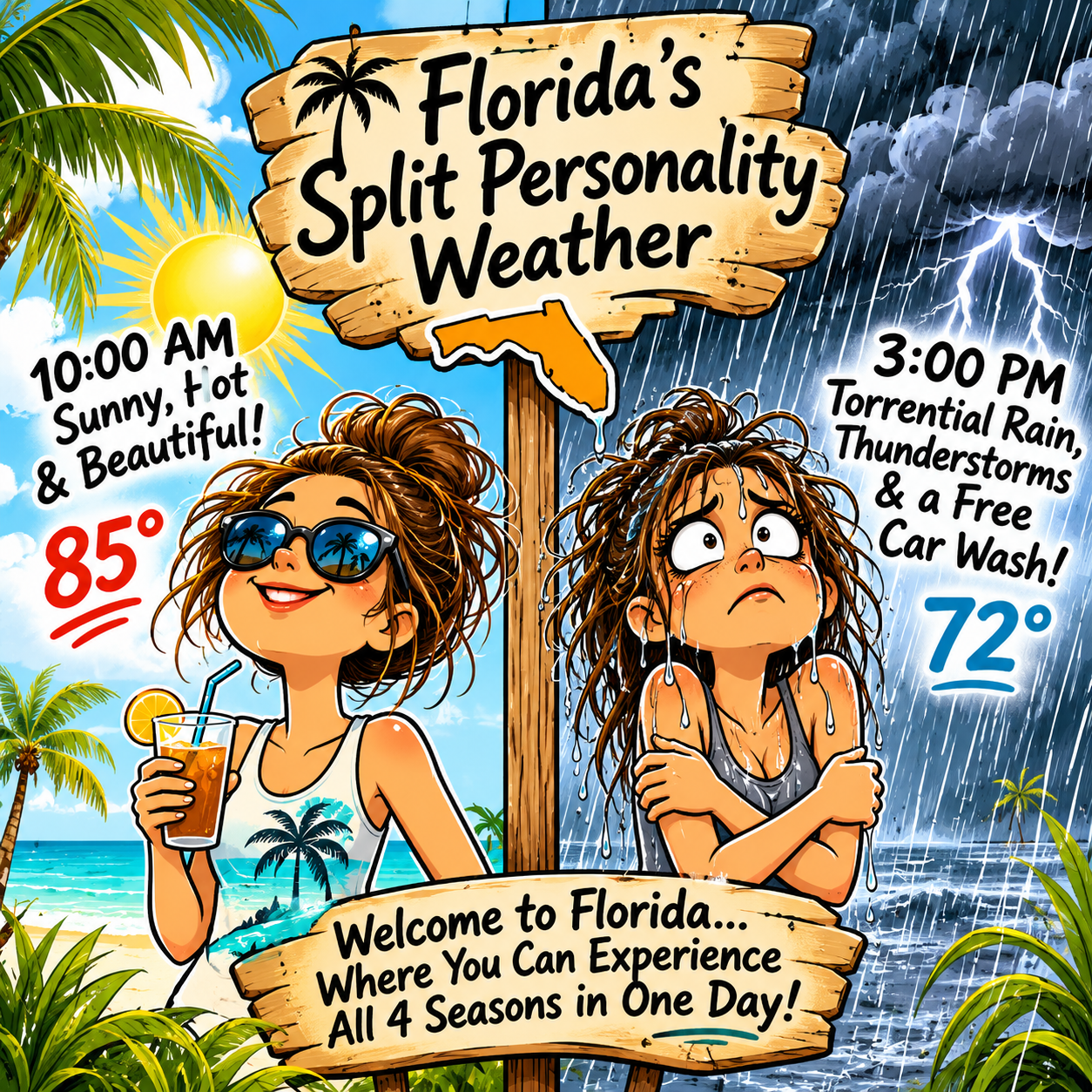
Florida weather has a personality. Somewhat split, but still a personality.
The morning can be gorgeous, the pool can be sparkling, and the sky can look like a postcard. Then, seemingly out of nowhere, the clouds roll in, the wind picks up, and the rain starts coming down sideways.
Heavy rain, strong winds, and tropical weather can create problems for even a well-maintained property.
Before storm season, take time to:
- Inspect the roof and address known maintenance issues.
- Check gutters and drainage areas for blockages.
- Trim trees and remove loose items that could become windblown debris. Inspect window and door seals and address visible damage.
- Review your hurricane plan, insurance documents, and emergency contacts.
If a storm threatens your area, follow official local guidance and use appropriate precautions. Afterward, check for visible damage, water intrusion, fallen branches, and other issues when conditions are safe.
The Forbes tip: Don't wait until a storm is in the forecast to prepare your property. A little advance planning is much easier than scrambling for supplies while everyone else in town has the same idea.
And remember: patio cushions have an uncanny ability to travel when the wind picks up.
Bugs, Lizards, and Other Uninvited Roommates
Let's get one thing straight: Florida has bugs.
We have mosquitoes, ants, palmetto bugs, and tiny lizards that occasionally appear in places where nobody remembers inviting them.
Seeing an occasional insect or gecko isn't necessarily a sign of a problem. But repeated pest activity, droppings, damaged screens, or evidence of rodents can signal something that deserves attention.
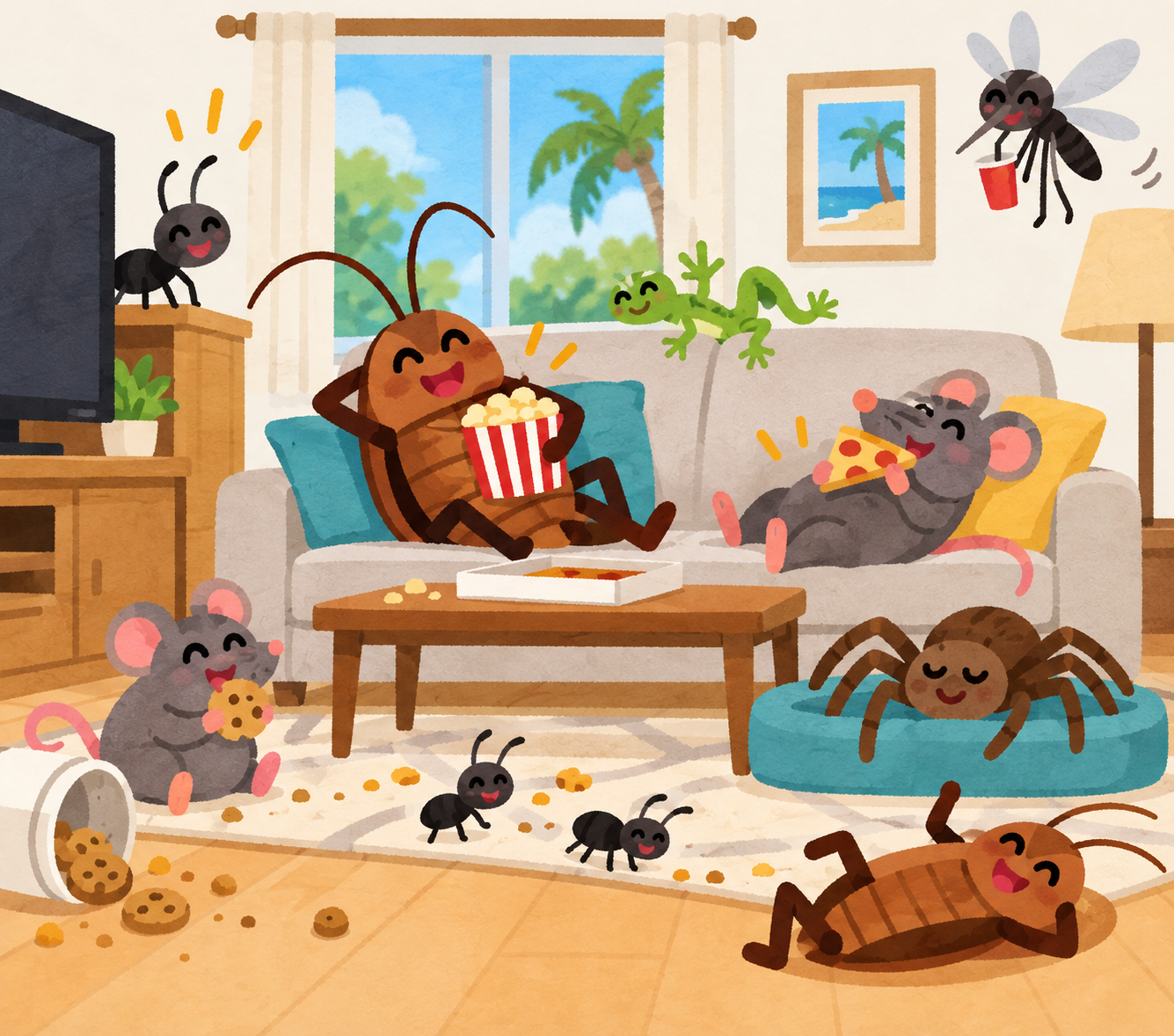
The good news? A few preventative habits can help:
- Seal gaps around doors, windows, and utility openings where appropriate. Repair damaged screens.
- Keep food sealed and clean up crumbs promptly.
- Address leaks and standing water.
- Keep vegetation maintained around the home.
- Arrange professional pest control when needed.
For vacant homes, routine checks can help catch visible signs of pest activity before they go unnoticed for an extended period.
The Forbes tip: Don't wait until a storm is in the forecast to prepare your property. A little advance planning is much easier than scrambling for supplies while everyone else in town has the same idea.
And remember: patio cushions have an uncanny ability to travel when the wind picks up.
Your Plumbing Needs Attention Even When Nobody's Home
Here's something many homeowners don't think about: an empty house still has plumbing.
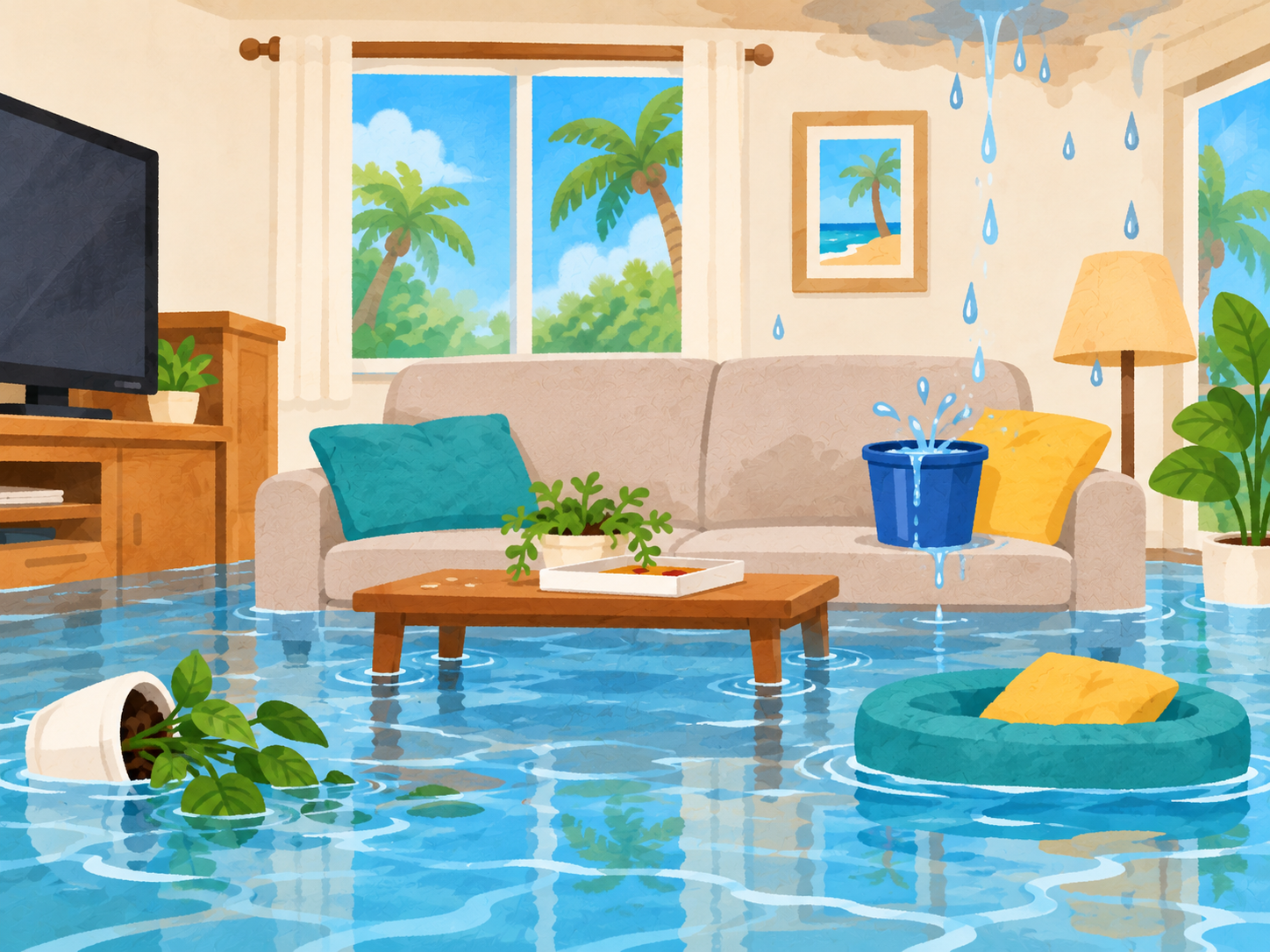
Supply lines, toilets, faucets, water heaters, and appliances can develop leaks whether someone is home to notice them or not.
A small leak discovered quickly may be manageable. One that continues unnoticed for weeks can cause extensive damage.
Before an extended absence, consider:
- Inspecting visible plumbing for leaks or corrosion.
- Checking beneath sinks and around toilets.
- Reviewing your water heater's condition.
- Understanding how to shut off the water supply in an emergency.
- Asking a qualified professional whether shutting off the water is appropriate for your specific home and equipment.
There isn't one universal rule for every property. Your plumbing system, appliances, irrigation setup, and other equipment may affect the best approach.
The Forbes tip: Make plumbing checks part of your property maintenance routine. During a Home Watch visit, visible signs of leaks or water damage can be identified and brought to your attention.
Because the last thing you want when returning from a relaxing trip is a surprise indoor swimming pool.
Your Lanai Is an Outdoor Living Room—Treat It Like One
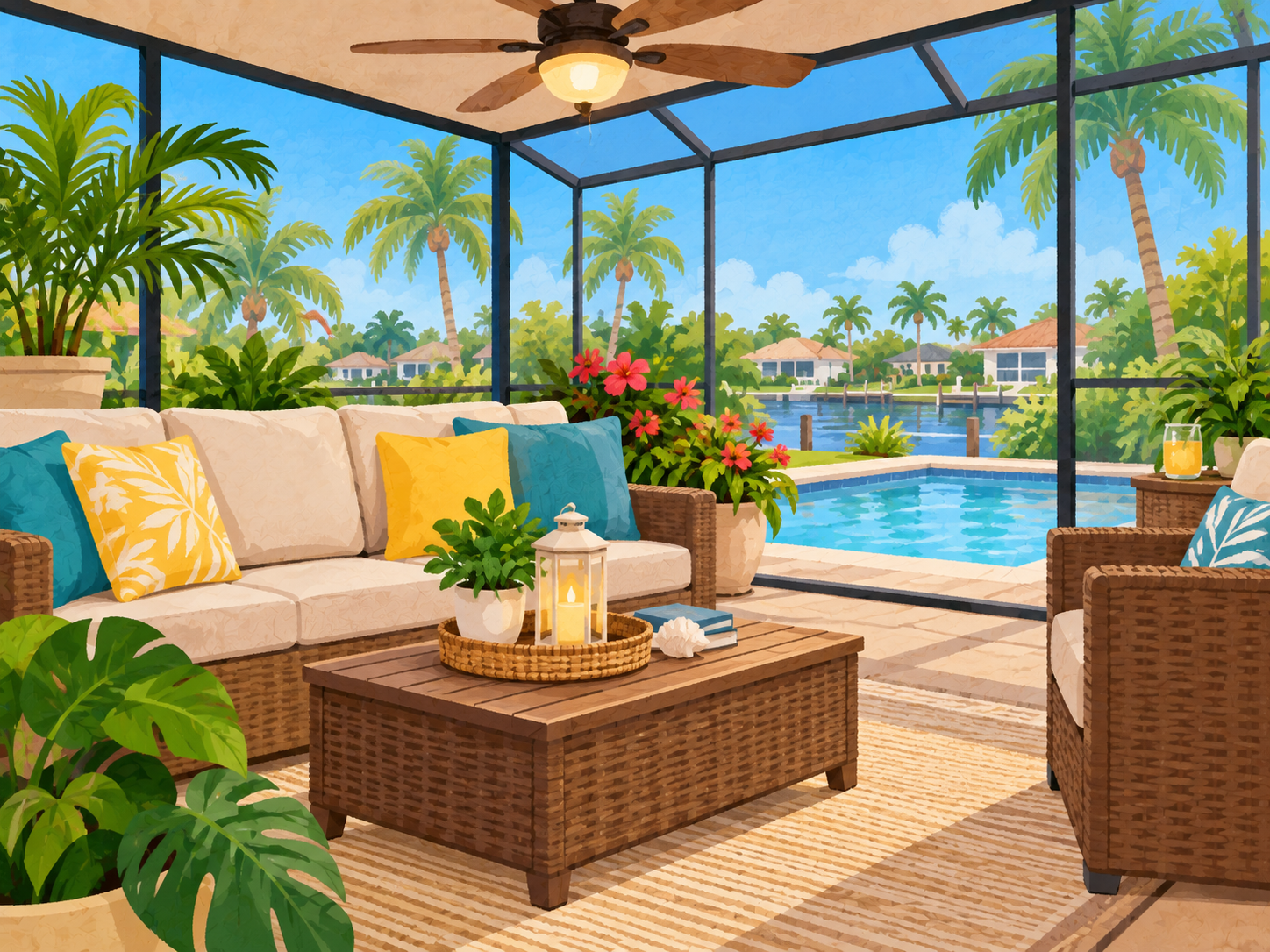
One of the best things about living in Southwest Florida is the outdoor lifestyle.
Morning coffee by the pool? Yes. Dinner on the lanai? Absolutely. An evening with friends while the sun sets? Sign us up. Those who aren’t pretty much living full-time on their lanai’s are the ones who have forgotten what Florida was about.
But Florida's sun, rain, humidity, and wind can be hard on outdoor furniture, cushions, screens, lighting, and decorative accessories.
To keep your outdoor space looking its best:
- Clean and inspect patio furniture regularly.
- Store or secure cushions and lightweight accessories before storms.
- Check screens and screen doors for tears or damage.
- Look for loose pavers, damaged decking, or other visible trip hazards.
- Keep drains and pool areas clear of leaves and debris.
- Follow appropriate maintenance recommendations for your pool and outdoor equipment.
- Don't forget that outdoor fabrics may fade, metal fixtures may corrode, and standing water can collect in overlooked places.
The Forbes tip: A beautiful lanai takes maintenance, especially when the home isn't occupied every day. Regular attention helps keep your outdoor space inviting and makes it easier to spot issues that need repair.
Your lanai should be the place where you relax—not another item on your emergency repair list.
An Empty House Is Not a House On Vacation
This one is especially important for snowbirds and seasonal homeowners.
When you leave Florida for a few weeks or several months, your home doesn't stop needing attention. It simply loses its everyday observer.
A neighbor might notice a storm-damaged branch, but will they notice a new water stain inside? Will someone realize the air conditioner isn't working properly? Will a small maintenance concern be caught before it becomes a bigger headache?
That's why having a plan for your property while you're away matters.
Before leaving, make sure you have:
- A trusted local contact who knows how to reach you.
- A plan for routine property checks.
- Current contact information for your preferred service providers. Clear instructions for handling concerns that need attention.
- A hurricane preparedness plan appropriate for your property and circumstances.
A professional Home Watch service can provide scheduled visual inspections of your property while you're away, with reporting and communication based on the agreed-upon service.
Home Watch is not the same as a security system, a property insurance policy, or a guarantee that nothing will go wrong. It's another layer of attention that helps homeowners stay informed about the condition of their property.
The Forbes tip: Before you head north, arrange for someone dependable to keep an eye on your home. Knowing that your property is receiving regular attention can make being away a little less stressful.
After all, you bought a Florida home to enjoy life—not to spend your vacation worrying about it.
So Is Owning a Florida Home Worth It?
Of course it is! Where else can you enjoy beautiful sunsets, warm winter days, outdoor living, and the occasional lizard who thinks he's paying rent?
Florida homeownership comes with its own set of responsibilities, but most surprises are easier to manage when you know what to watch for and have a good maintenance plan.
Keep up with routine maintenance. Pay attention to moisture and weather. Prepare for storms before they arrive. And if you're going to be away for an extended period, make sure your home has someone looking after it.
Because paradise is even better when you can enjoy it with a little peace of mind.
Heading Out of Town? Let Forbes Home Watch Help.
Forbes Home Watch Services helps homeowners in the Cape Coral area keep an eye on their properties while they're away through scheduled visual home checks and communication about observed concerns.
Whether you're a seasonal resident or simply traveling for an extended period, having a local set of eyes on your property can make a difference.
Want to learn more about Home Watch services? Contact Forbes Home Watch Services to discuss your property and your needs.
Enjoy your time away. We'll help you keep your home on your radar.